A living landscape
The story of Mt Ruapehu

THIS MAGIC MOUNTAIN HAS MILLIONS OF STORIES TO TELL

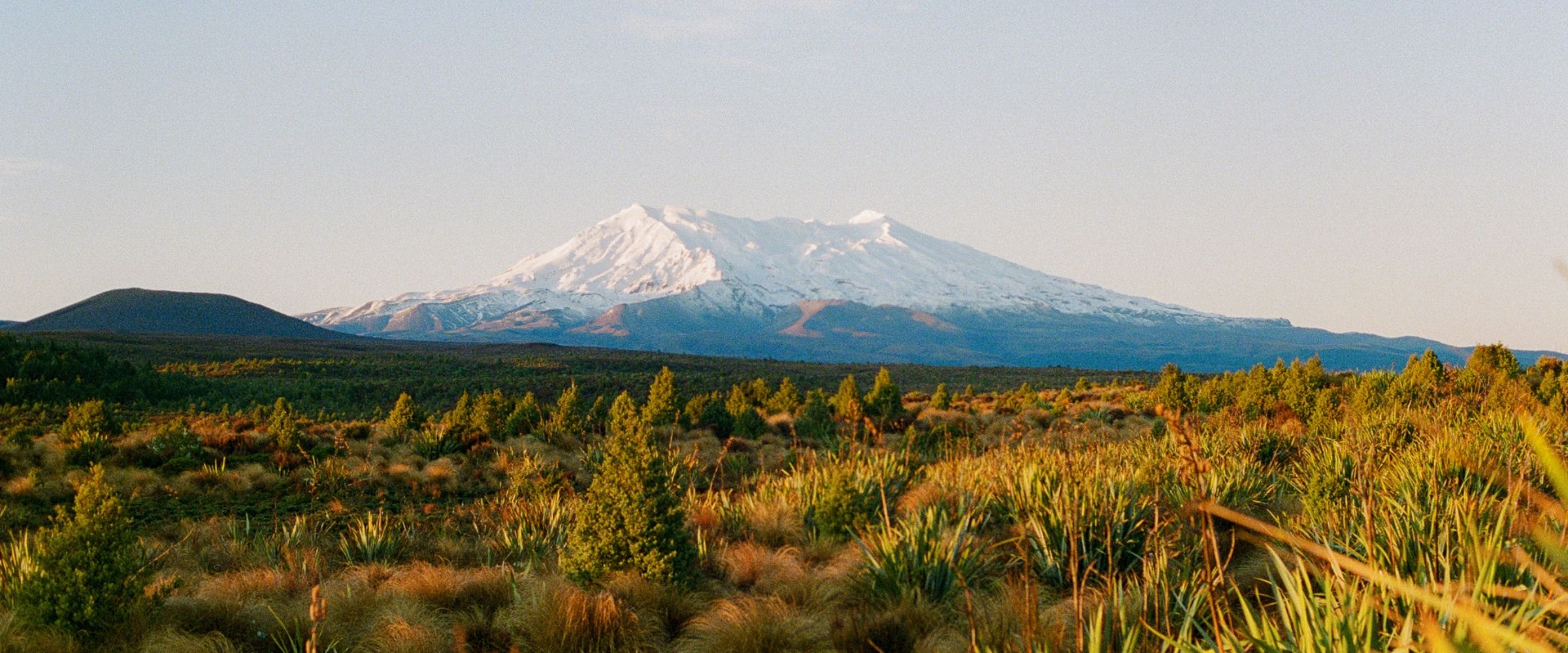
Shaped by powerful volcanic forces over millions of years, Mt Ruapehu is a living landscape. Its geology and layered history are recorded in the land itself, with stories carried through whakapapa, legend and written record, revealing a mountain that continues to shape everything around it.

Mountains are sacred ground.

Mountains are sacred ground.

In Aotearoa New Zealand, maunga (mountains) are held in the highest regard and considered sacred.

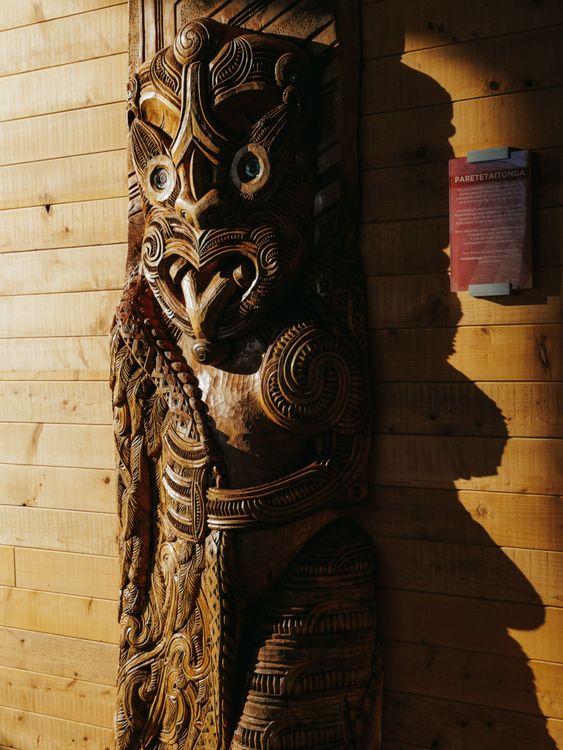
The spiritual connection Māori have with maunga stretches back through generations. Stories of Mt Ruapehu and how the mountains came to be are shared and retold by different iwi (tribes) in their own ways, drawing on myth, legend and oral tradition. Central to many of these stories is Māui tikitiki-a-Taranga (Māui), a hero or demi-god in Māori and wider Pacific legend.
A volcanic heart of the North Island.

A volcanic heart of the North Island.

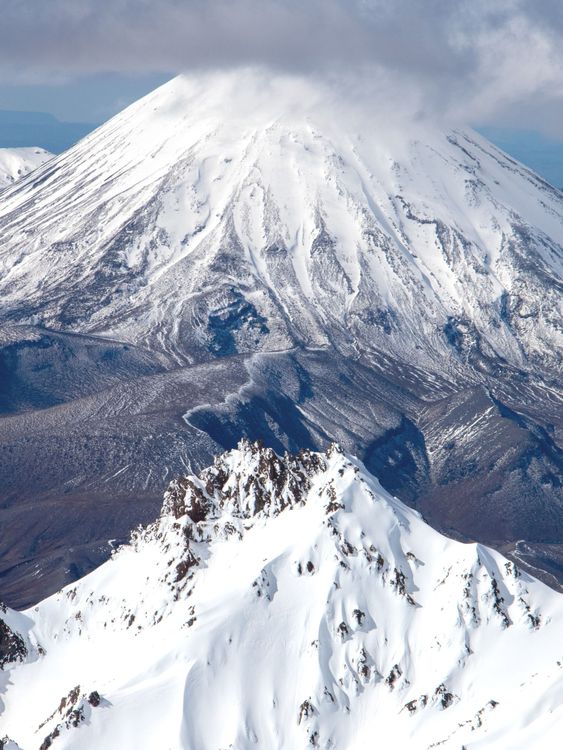
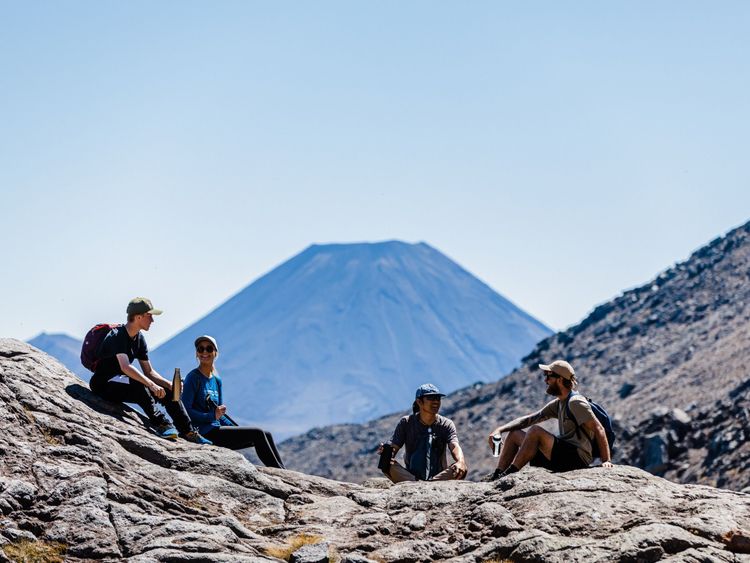
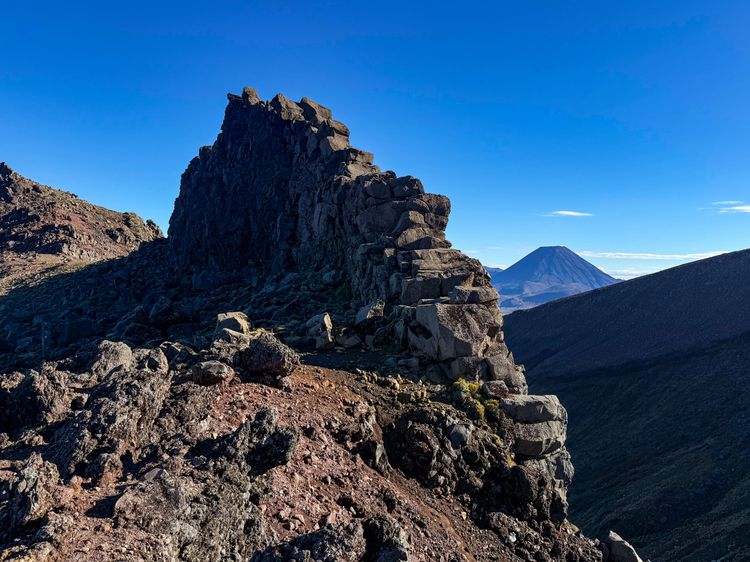
Mt Ruapehu rises from the Central Plateau alongside neighbouring peaks Mt Ngāuruhoe and Mt Tongariro, forming the core of the Tongariro Volcanic Centre.

This dramatic landscape has been shaped by ongoing tectonic forces as the Pacific Plate moves beneath the Australian Plate, building the mountains through repeated volcanic activity over hundreds of thousands of years.

Together, these peaks sit within the UNESCO Dual World Heritage Tongariro National Park, recognised for both its powerful volcanic terrain and cultural significance. Since 1887, the park has drawn generations of visitors to experience its active geology, stark alpine forms and unmistakable sense of place.

Recognised on a world stage.

Recognised on a world stage.

Spanning more than 80,000 hectares, Tongariro National Park is one of only three World Heritage sites in New Zealand.

Its Dual World Heritage status, inscribed in 1990, recognises both the area’s deep Māori cultural and spiritual significance and its outstanding volcanic landscape. Worldwide, just 29 places hold this rare dual status, placing Tongariro National Park among a small group of landscapes recognised for both their natural power and cultural meaning.

The legend of Māui.

The legend of Māui.

According to legend, Māui was fishing with his elder brothers when he cast his line deep into the sea and hauled up a great fish, Te Ika a Māui (The Fish of Māui), now known as New Zealand’s North Island. As the highest points of the island, the peaks of Mt Ruapehu, Mt Ngāuruhoe and Mt Tongariro are said to have been the first parts of the fish to rise from the water.

Forged by fire and time.

Forged by fire and time.

Mt Ruapehu is a stratovolcano, also known as a composite cone, built through successive layers of andesite lava and ash.

It is New Zealand’s largest active volcano, with activity recorded across its three summit craters over the past 10,000 years. Beneath the crater lake in the South Crater lies an active vent, known as Te Wai ā-moe (sleeping waters), a reminder that the mountain remains very much alive.

Energy beneath the surface.

Energy beneath the surface.

As a volcano, Mt Ruapehu has shaped this landscape for thousands of years.

It continues to behave much as it has for the past 2,000 years, with regular smaller eruptions and occasional larger events. This ongoing activity is part of what makes the mountain such a dynamic and fascinating living landscape.

Today, the volcano is carefully and continuously monitored using webcams, seismographs, microphones and GPS stations. Water and gas levels at Te Wai ā-moe are checked regularly alongside airborne gas monitoring, and a dedicated lahar detection and warning system is in place to identify and alert to activity well in advance.